
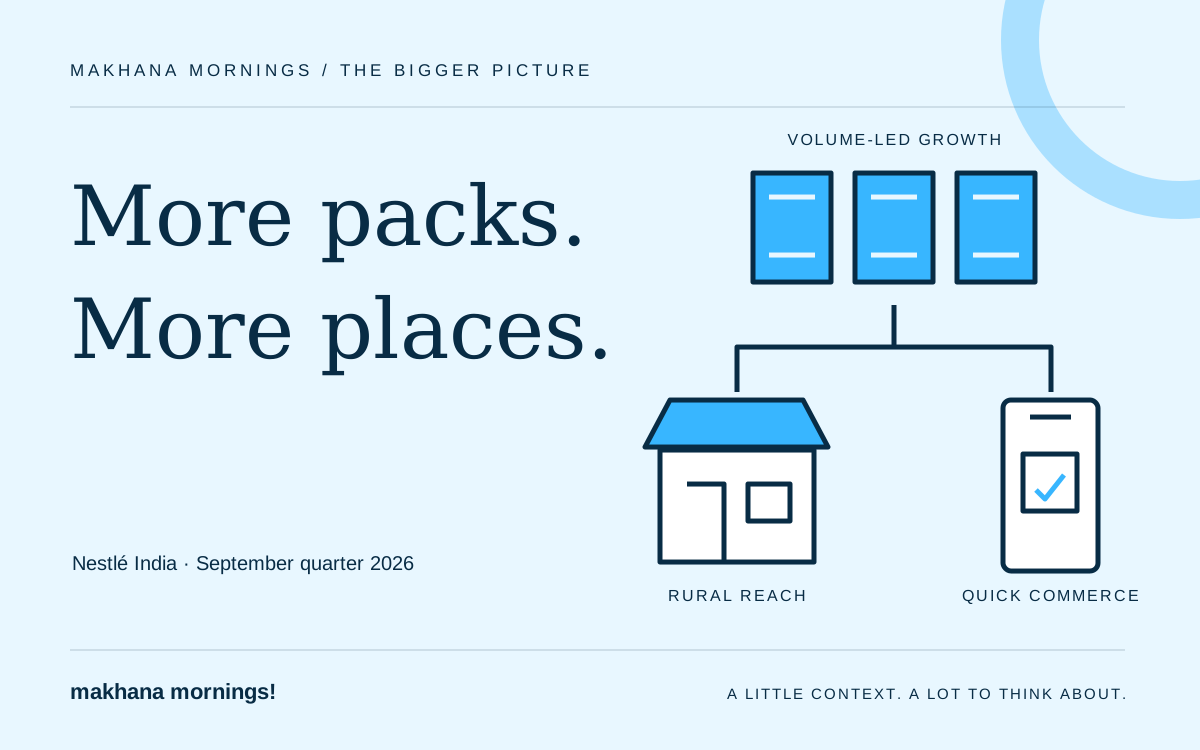
A food company can grow sales in three ways. It can sell more, raise prices or sell a larger share of pricier products. Nestlé India’s management says a double-digit rise in the amount sold helped drive growth in its latest quarter.
The results, released on October 15, show sales rose 20.5% from a year earlier. The question is whether that pace can last as the company spends more on its brands while dealing with costly ingredients.
The Breakdown
Total product sales reached ₹6,782.2 crore in the quarter ended September 30, 2026, up from ₹5,630.2 crore a year earlier. Sales in India rose 20.4% to ₹6,514.7 crore.
Standalone profit after tax rose 36.3% to ₹1,026.8 crore, from ₹753.2 crore a year earlier. This is the profit in Nestlé India’s own accounts. The company said spending on ads and marketing rose 46%. Its EBITDA margin was 23.8% of sales. EBITDA means earnings before interest, tax, depreciation and amortisation. The last two spread the cost of assets over time.
Management said growth came from across its product groups, pointing to Maggi noodles reaching more rural buyers and coffee reaching more homes. It also said growth in sweets and chocolates continued.
The way products reach buyers mattered too. The company said general trade, which includes local shops, grew at a double-digit rate, led by rural markets. Quick commerce, or fast delivery through shopping apps, helped its online business. Nestlé pointed to more rural outlets and better stock on shopping platforms as drivers.
Why This Matters
Volume growth means the company sold a greater quantity of products, which a rupee sales figure alone cannot tell us. It helps us judge how much growth relies on higher prices.
But there is a limit to what we know. Nestlé said volume growth was double-digit, without giving an exact overall rate. The 20.5% rise in sales does not mean it sold 20.5% more products. Nor do the results tell us how much more each household consumed.
For shops and food brands, the sales channels are worth watching. Reaching more shops and keeping products in stock online can help sales, alongside spending on brands. Nestlé’s results show how those routes can help one company grow. They do not measure demand for packaged goods across all of India.
The Big Picture
The outlook for costs is mixed. Nestlé says sugar and edible-oil prices have settled, but remain high. Cocoa prices are still moving around because of concerns about weather damage to crops. It expects the seasonal pressure on milk prices to ease as supplies grow.
These are management’s views about future costs, which do not promise lower prices at the checkout. Nestlé still has to keep shoppers interested, protect its profits and pay for growth.
The Crunch
Nestlé has grown its sales, volumes and standalone profit. The next test is whether it can keep growing while spending more on brands and paying high prices for ingredients. Watch the amount sold, the reach of its products and its profit margins together.