
India’s software industry is crossing a historic threshold. Once known for outsourcing and service exports, it now stands at the center of a trillion-dollar domestic opportunity. With the IT sector growing from 118 billion dollars to a projected 283 billion dollars in FY 2024-25, the spotlight is shifting from global giants to homegrown innovators. These companies are no longer content serving clients abroad; they are building for Bharat and, in the process, redefining India’s digital economy.
Breakdown
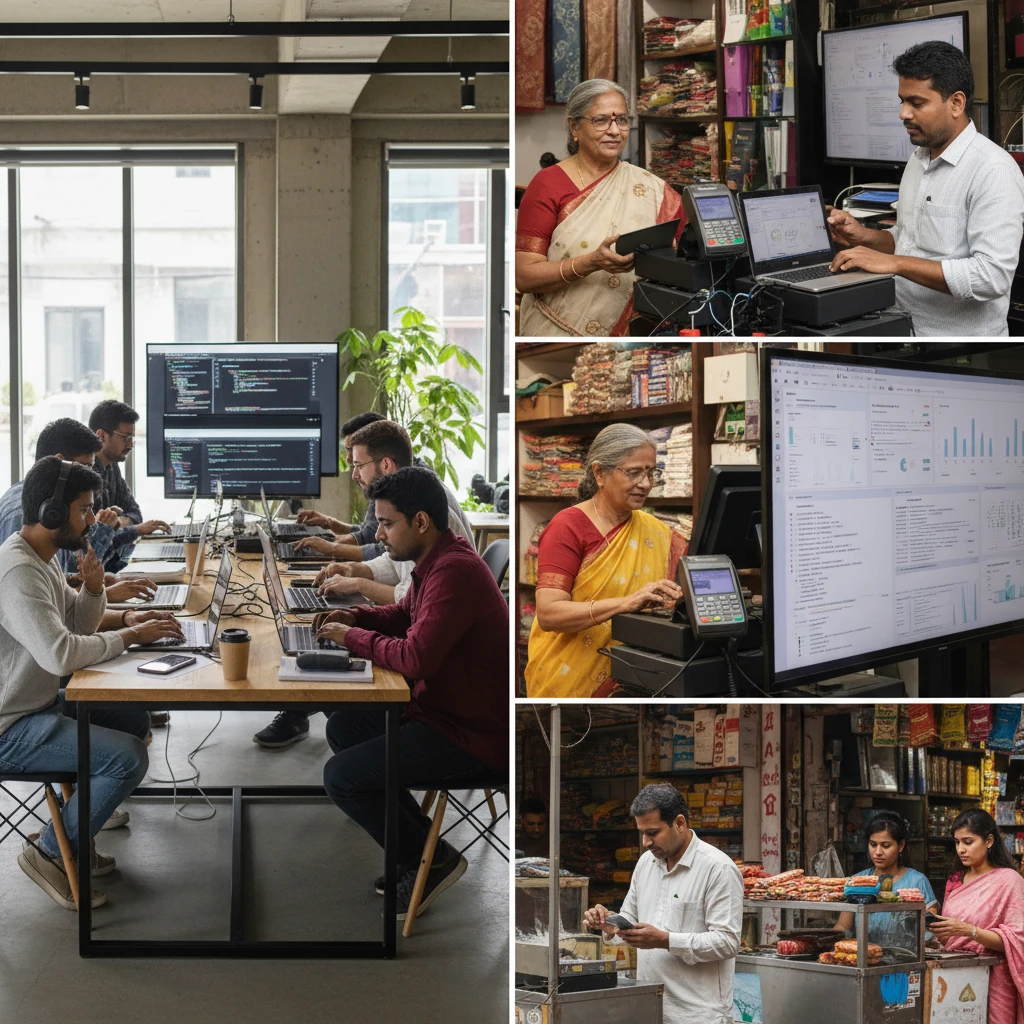
India’s domestic software story has long been overshadowed by its export success, but the next decade will reverse that narrative. As tens of millions of MSMEs digitize, cities modernize municipal systems, and sectors from logistics to manufacturing demand tailored software, the Indian market’s scale will soon rival that of its export earnings.
Local firms hold a unique edge. They understand regulatory hurdles, regional languages, and infrastructure constraints that global players struggle to decode. With proximity to users and faster innovation cycles, these firms are achieving higher adoption and retention. Government policy is further tilting the balance. Initiatives such as the National Policy on Software Products and Digital India, along with public procurement of indigenous software, are creating anchor customers and credibility for local developers.
At the same time, global conditions including rising costs, geopolitical uncertainty, and data localization requirements are making India’s domestic ecosystem more attractive. The shift from labor arbitrage to intellectual property creation rewards Indian firms that invest in research and platform-based models. To capture this wave, they must scale operations, strengthen governance, and build global trust in Indian-made software quality.
Why This Matters
India’s next phase of growth will not come from code written for someone else’s problem but from solutions built for its own. The evolution from service exporter to product innovator can generate millions of jobs, deepen capital markets, and create technology resilience. If nurtured correctly, this wave could mirror what China achieved with hardware but through software.
The Big Picture
From Maya OS in defence to sovereign cloud deployments by global firms, India is asserting digital sovereignty. Public procurement is validating domestic software, while private adoption is accelerating. Together, these forces can unlock a trillion-dollar digital economy built on local intellectual property, reducing dependence on foreign technology and strengthening national competitiveness.
The Crunch
The real disruption will come from founders who stop benchmarking against Silicon Valley and start designing for Surat, Salem, and Siliguri. Success will not only come from exporting software; it will come from exporting Indian models of digitization. Those who master India’s complexity today will own the global playbook tomorrow.